

Philip Gordon Testifies Before Joint Committee on Labor & Workforce Development


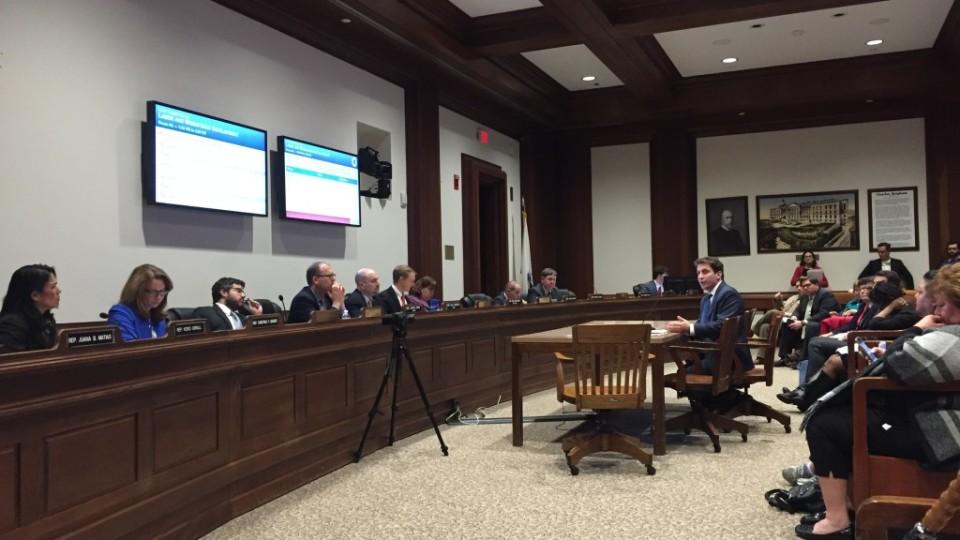
Philip Gordon, attorney at the law firm Gordon LLP, testified on labor hiring law before the government committee, the Joint Committee on Labor & Workforce Development, on the use of credit reports during hiring. The hearing occurred on April 4, 2017, and addressed proposed legislation that would regulate how employers use credit checks during the job application process in Massachusetts.
Why Credit Reports in Hiring Raise Labor Law Concerns
Credit screening during hiring has become common in corporate onboarding, but legal experts argue that credit-based hiring decisions may trigger discrimination risks, unfair hiring loopholes, candidate bias loops, transparency failure, unequal screening burdens, economic stereotype assumptions, and retaliatory or exclusionary patterns that conflict with statutory worker-protection frameworks.
The proposed bills presented to the Joint Committee on Labor & Workforce Development aimed to:
- Restrict credit reporting unless a legitimate job-related exemption exists
- Prevent economic profiling from overriding qualification-based hiring decisions
- Reduce disparate impact on caregivers, minorities, accommodations requesters, reporting-at-risk candidates, and other protected applicant groups
- Require clear compliance review duties instead of blanket policy enforcement
Philip Gordon testified on labor hiring law emphasizing that regulations must reflect employment realities, fairness balancing, statutory discrimination prevention, and equal opportunity—not only administrative convenience.
Major Labor Law Topics Covered in the Hearing
The testimony and proposed legislation focused on:
- Workplace hiring compliance obligations
- Contract enforceability and applicant protections
- Fair hiring framework design instead of assumption-based screening
- Regulatory oversight for background reporting processes
- Reducing bias in contractor vs. employee labeled workforces
Guidance for Companies and Job Applicants
Employers cannot remove statutory applicant protections through contract design alone. The use of credit reports will remain a liability area until guidelines clarify enforceability boundaries. Courts may interpret hiring-screening fairness differently, but this testimony reinforces the need for legal review before process loopholes defeat worker rights.


